
We often hear that “you are what you eat” in the context of physical fitness, but at Whole Health Compounding Pharmacy Glebe, we believe nutrition is just as vital for your mental and emotional resilience. The relationship between your gut and your brain—often called the “gut-brain axis”—is a sophisticated communication network that relies on high-quality nutrients to function optimally.
The Science of “Brain Fuel”
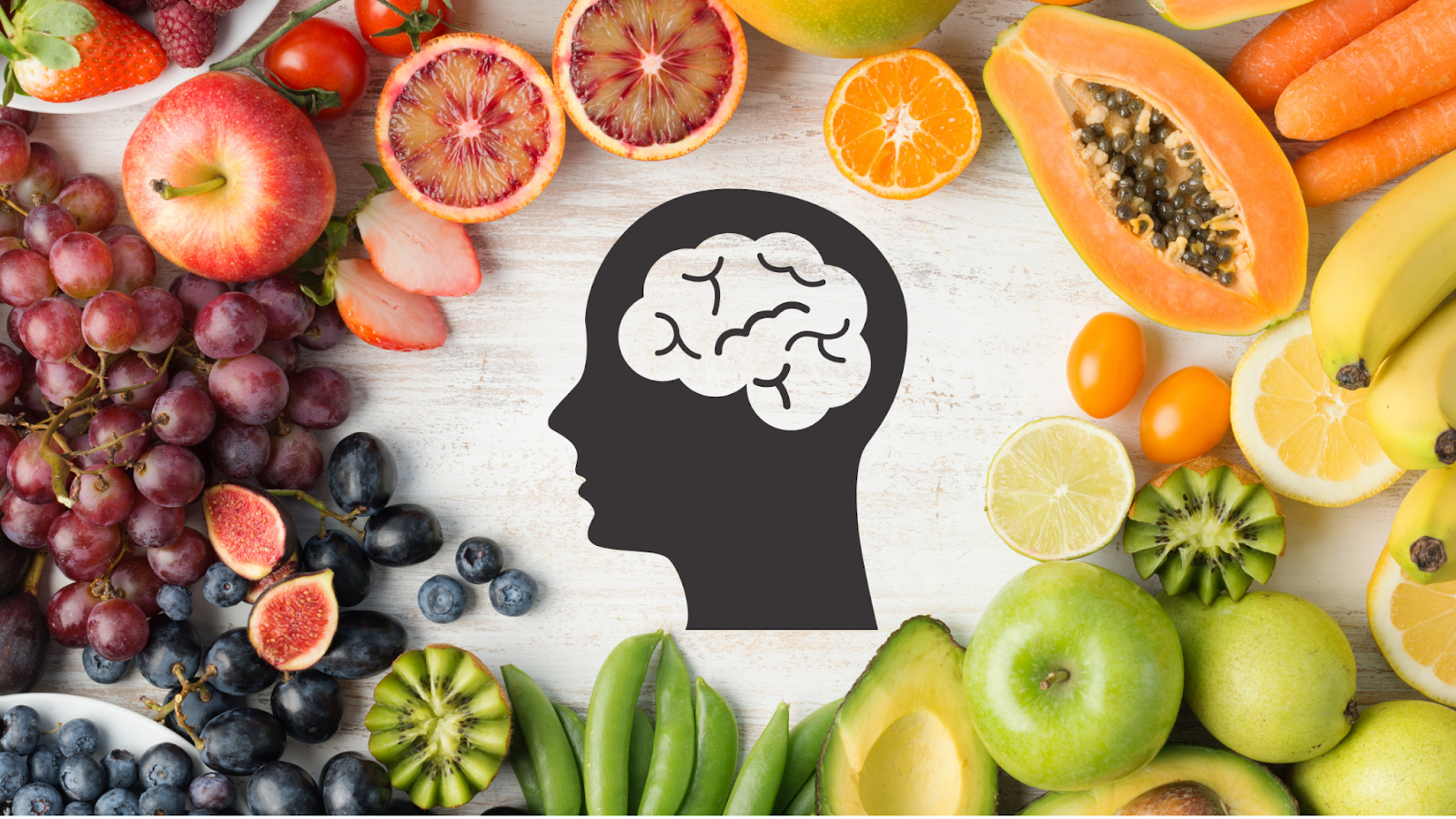
Your brain is a high-performance organ that requires a steady supply of vitamins, minerals, and antioxidants to protect against oxidative stress and support neurotransmitter function.
- The Serotonin Connection: Approximately 90% of your body’s serotonin—a key neurotransmitter that helps regulate mood and sleep—is produced in the digestive tract. Supporting your gut health is a direct way to support your emotional balance.
- The Gut-Brain Axis: Your gut microbiome (the “friendly” bacteria in your digestive system) communicates with your brain via the vagus nerve. A balanced microbiome supports clearer thinking and emotional stability.
Key Nutrients for Emotional Resilience
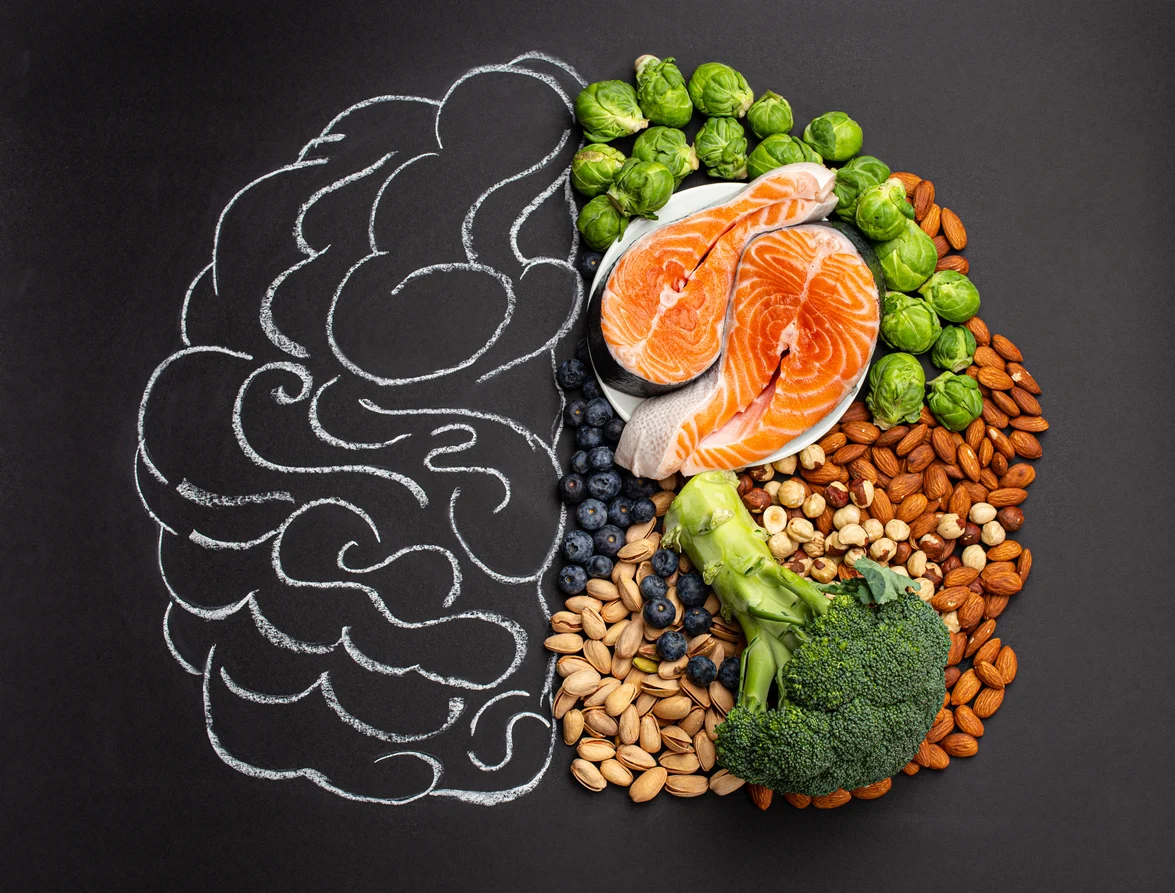
While no single food is a “magic bullet,” certain nutrients are scientifically recognized for their role in maintaining healthy brain function:
1. Omega-3 Fatty Acids
Found in fatty fish, walnuts, and flaxseeds, Omega-3s are essential components of brain cell membranes. They are known to support cognitive function and help maintain a healthy inflammatory response in the body.
2. B-Vitamins and Magnesium
Leafy greens, legumes, and whole grains are rich in B-vitamins (like Folate and B12) and Magnesium. These micronutrients are “co-factors” in the production of feel-good chemicals in the brain. Low levels of these are often associated with feelings of fatigue and irritability.
3. Probiotics and Fermented Foods
Incorporating yogurt, kefir, or kimchi introduces beneficial bacteria to your gut. According to Health Canada, certain probiotics help support a healthy gut flora, which is the foundation of the gut-brain connection.
Managing the “Mood Crushers”
Stabilizing your mood is often as much about what you limit as what you include:
- Refined Sugars: High sugar intake causes rapid spikes and crashes in blood glucose, which can lead to “brain fog,” anxiety-like jitters, and afternoon fatigue.
- Caffeine & Alcohol: While caffeine can provide a temporary boost, excessive amounts may interfere with sleep and increase restlessness. Alcohol is a central nervous system depressant that can disrupt neurotransmitter balance over time.
How Whole Health Glebe Supports Your Journey
As your local Ottawa compounding pharmacy, we look at health holistically. We offer several professional services to help you bridge the gap between nutrition and mental wellness:
- Professional Supplement Consultations: Not all supplements are created equal. Our pharmacists can help you select high-quality, professional-grade Natural Health Products (NHPs) that have been vetted for purity and potency.
- Nutrient-Depletion Checks: Many common prescription medications (such as certain antidepressants or birth control) can deplete your body of essential nutrients like Vitamin B6 or Magnesium. We can review your medications to see if you might benefit from targeted supplementation.
- Personalized Compounding: If you have sensitivities to dyes, gluten, or fillers often found in commercial vitamins, we can compound customized nutritional support tailored to your specific needs.
Small Steps to a Balanced Mind
Improving your mental well-being through diet doesn’t have to happen overnight.
Start by:
- Hydrating Consistently: Even mild dehydration can impact concentration and mood.
- Choosing Complex Carbs: Swap white bread for whole grains to keep energy levels stable.
- Mindful Eating: Pay attention to how specific meals make you feel 30 minutes after eating.