
As we move through 2026, the landscape of infectious disease is shifting. At Whole Health Compounding Pharmacy, we stay at the forefront of clinical research to ensure our community understands the evolving challenges of antimicrobial resistance (AMR) and the innovative ways we are working to safeguard your health.
Recent data from the World Health Organization (WHO) and the Journal of the American Medical Association (JAMA) highlight that antibiotic resistance remains one of the top global public health threats. However, the latest research also brings a wave of optimism through novel drug discoveries and a renewed focus on “Stewardship”—the responsible use of antibiotics.
The Current State of Resistance (2025–2026)
According to the WHO Global Antimicrobial Resistance and Use Surveillance System (GLASS) Report released in late 2025, nearly 1 in 6 bacterial infections are now resistant to standard first-line treatments. Of particular concern are Gram-negative bacteria like E. coli and K. pneumoniae, which are showing increased resistance to “last-resort” carbapenem antibiotics.
This trend underscores why “finishing your course” is no longer the only rule; the precision of the treatment is now equally vital.
Breakthroughs in the Pipeline
The scientific community has responded with significant breakthroughs. A 2025 study published in Nature by researchers at McMaster University identified a brand-new class of antibiotics called lariocidin. Unlike traditional antibiotics, lariocidin uses a “lasso peptide” structure to attack bacteria in a way they haven’t yet evolved to resist.
Furthermore, the WHO 2025 Analysis of Antibacterial Agents identifies over 16 new molecules that have recently moved into clinical use or late-stage trials, many of which are designed specifically to target multi-drug resistant (MDR) pathogens.
How Compounding Supports Antibiotic Stewardship
In accordance with the Ontario College of Pharmacists (OCP) and NAPRA standards, our role as a compounding pharmacy is to provide customized solutions when commercially available medications do not meet a patient’s unique clinical needs.
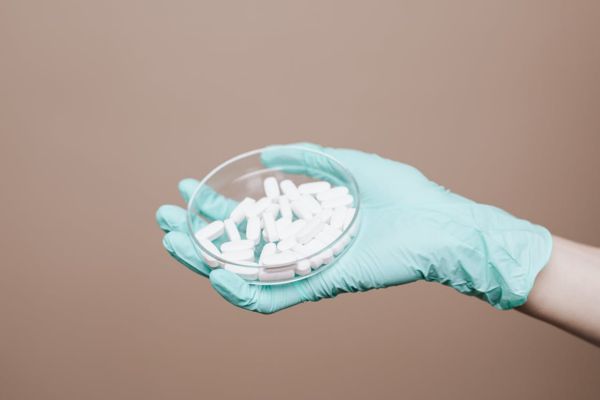
We contribute to the fight against resistance through:
- Precision Dosing: Standardized “one-size-fits-all” doses can sometimes lead to sub-therapeutic levels, which allows the strongest bacteria to survive and mutate. Compounding allows for exact weight-based or patient-specific dosing.
- Alternative Delivery Systems: For patients who cannot swallow pills (such as pediatric or geriatric patients), we can create flavored oral liquids or topical gels. This ensures adherence, which is the most effective way to prevent resistance from developing during a treatment course.
- Allergen-Free Formulations: By removing dyes, gluten, or preservatives that might cause a patient to skip doses, we ensure the infection is fully eradicated.
What You Can Do
- Prevent Infections: Vaccines remain the most effective tool to reduce the need for antibiotics in the first place.
- Use Only as Prescribed: Antibiotics do not treat viral infections like the common cold or the flu.
- Consult Your Pharmacist: If you have trouble taking your medication due to taste, size, or side effects, speak with us. We can discuss customized options to help you complete your therapy successfully.
At Whole Health Compounding Pharmacy, we are committed to the highest standards of safety and clinical excellence. By combining the latest global research with personalized care, we can protect the effectiveness of antibiotics for generations to come.
References:
- World Health Organization (2025). Global antibiotic resistance surveillance report.
- McMaster University / Nature (2025). Discovery of lariocidin: A new class of lasso peptide antibiotics.
- Ontario College of Pharmacists (OCP). Standards of Practice & NAPRA Model Standards for Pharmacy Compounding.