
For many residents in the Greater Ottawa Area navigating perimenopause and menopause, the physical symptoms like hot flashes are often secondary to a more frustrating cognitive hurdle: Brain Fog. Patients frequently describe this as a “cloudy” feeling, characterized by forgetfulness, difficulty concentrating, and a lack of mental sharpness. At Whole Health Compounding Pharmacy Glebe, we believe that understanding the underlying science of cognitive shifts is the first step toward reclaiming your mental clarity.
The Science: Why Does “Brain Fog” Happen?

Research indicates that the brain is a highly estrogen-sensitive organ. Estrogen—specifically estradiol—plays a critical role in brain metabolism and neuroplasticity.
1. Glucose Metabolism in the Brain
A study highlighted by the National Institutes of Health (NIH) suggests that the decline in estrogen during the menopausal transition can impair how the brain utilizes glucose, its primary energy source. This “bioenergetic” shift is a leading theory behind why women experience a drop in mental energy and focus during midlife.
2. Neurotransmitter Regulation
Estrogen acts as a “master regulator” of several key neurotransmitters. According to research published in PMC (2019), sex steroids influence the cholinergic system, which is vital for memory processes, as well as serotonin and dopamine, which regulate mood and motivation.
3. The Role of Progesterone
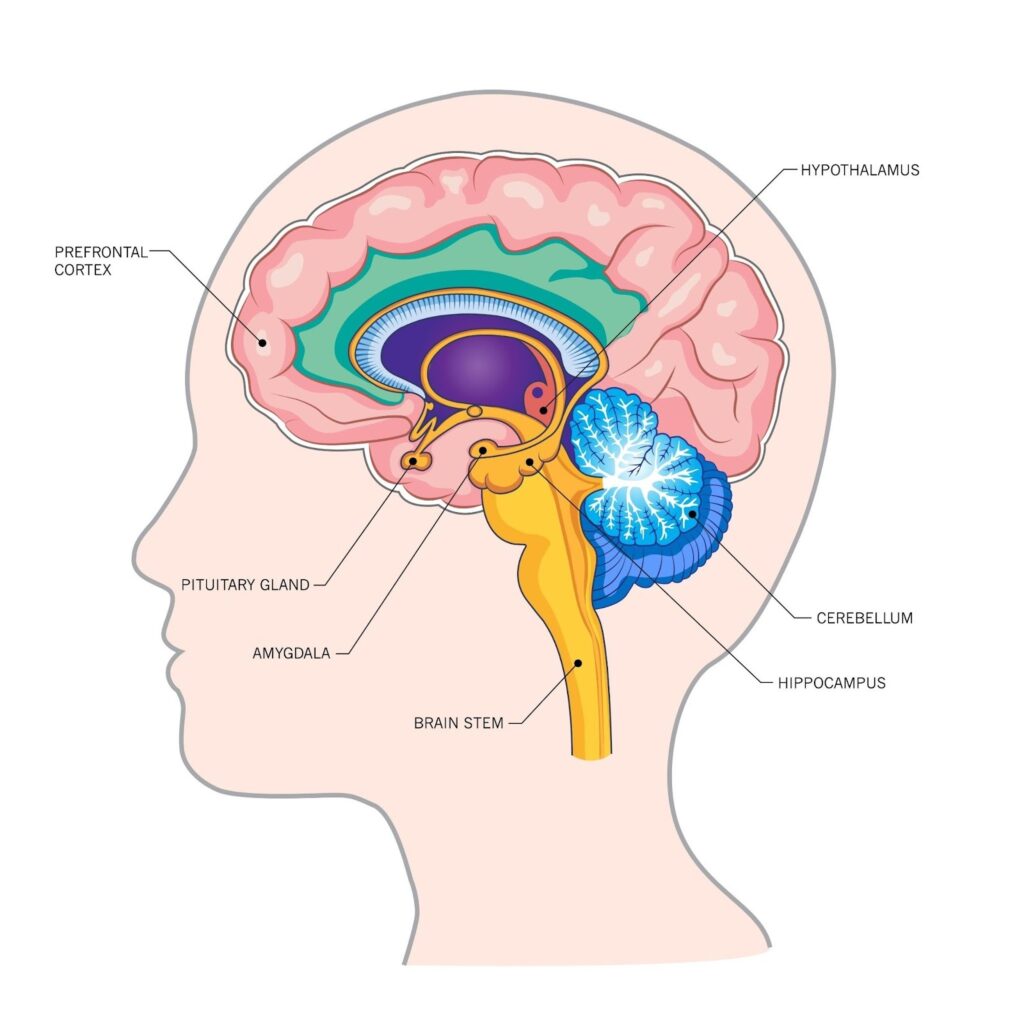
While estrogen often gets the spotlight, progesterone also has significant neuroprotective qualities. Research published in Distinct Cognitive Effects of Estrogen and Progesterone (2015) found that progesterone was associated with changes in regional brain activation patterns during memory tasks, particularly in the prefrontal cortex and hippocampus.
Can Hormone Therapy Help?

The conversation around Hormone Replacement Therapy (HRT) and cognitive function is evolving. While HRT is primarily indicated for the relief of vasomotor symptoms (like hot flashes), many women report improvements in mental clarity as a secondary benefit.
- Episodic Memory: Large cohort studies, such as those published in Neurology (2024), suggest that estradiol-based therapy may support episodic memory, particularly when initiated early in the menopausal transition (often referred to as the “Timing Hypothesis”).
- Formulation Matters: Recent evidence suggests that the route of administration (transdermal vs. oral) and the type of hormone (estradiol vs. synthetic progestins) can result in different cognitive outcomes.
The Whole Health Approach in Ottawa
At Whole Health Compounding Pharmacy Glebe, we prioritize a collaborative approach to hormone health.
A Note on Pharmacy Ethics & Guidelines
In accordance with OCP and NAPRA standards, it is important to understand the following:
- The Triad Relationship: Compounded preparations are only prepared within the context of a patient-prescriber-pharmacist relationship. We work directly with your Ottawa-based physician or specialist to fulfill specific prescriptions tailored to your needs.
- Individualized Care: Compounding is not about “one-size-fits-all” solutions. It is about providing customized strengths or dosage forms (such as allergen-free or dye-free options) when commercially available products do not meet a patient’s clinical requirements.
- Professional Consultation: Our pharmacists are available to discuss the science of compounding and how we maintain the highest standards of quality and safety in our Glebe laboratory.
Supporting Your Cognitive Health in Ottawa
Beyond hormone therapy, we encourage our patients to adopt a “whole health” strategy for brain health, including:
- Optimizing Sleep: Hormonal fluctuations often disrupt sleep, which is the #1 enemy of cognitive focus.
- Nutritional Support: Ensuring adequate intake of Omega-3s and antioxidants to support neuro-inflammation.
- Consulting Specialists: We recommend speaking with healthcare providers in the Ottawa area who specialize in menopause, such as members of the Canadian Menopause Society.
Are you looking for more information on how specialized compounding can support your health journey?
Visit us in the heart of the Glebe or contact our pharmacy team to discuss how we work with your doctor to provide the personalized care you deserve.
Scientific References:
- Menopause: Loss of gray matter may explain cognitive problems (Medical News Today, 2026).
- Association Between Menopause Age and Estradiol-Based Hormone Therapy With Cognitive Performance (Neurology, 2024).
- Distinct cognitive effects of estrogen and progesterone in menopausal women (PMC4490102).
- Cognition, Mood and Sleep in Menopausal Transition: The Role of Menopause Hormone Therapy (PMC6843314).
Frequently Asked Questions
What is menopause brain fog?
It is a cloudy feeling many women face during menopause. You may forget things or find it hard to focus. It happens because your hormone levels change.
Why does estrogen affect my focus?
Your brain needs estrogen to use energy well. When levels drop, your brain loses its main fuel source. This causes a dip in your mental sharpness and clarity.
Can hormone therapy help with memory?
Yes, hormone therapy can support your memory. Studies show it works best when started early. Whole Health Compounding Pharmacy Glebe can help you and your doctor find a plan.
What is a compounding pharmacy?
A compounding pharmacy makes custom medicine for you. They create unique doses that regular stores do not have. This ensures your treatment fits your specific body and needs.
How can I clear my mind naturally?
Focus on getting deep sleep and eating healthy fats like Omega-3s. These help your brain stay strong. Talking to a specialist in Ottawa is also a great first step.